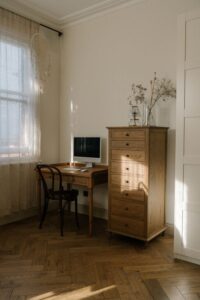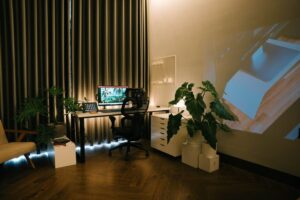





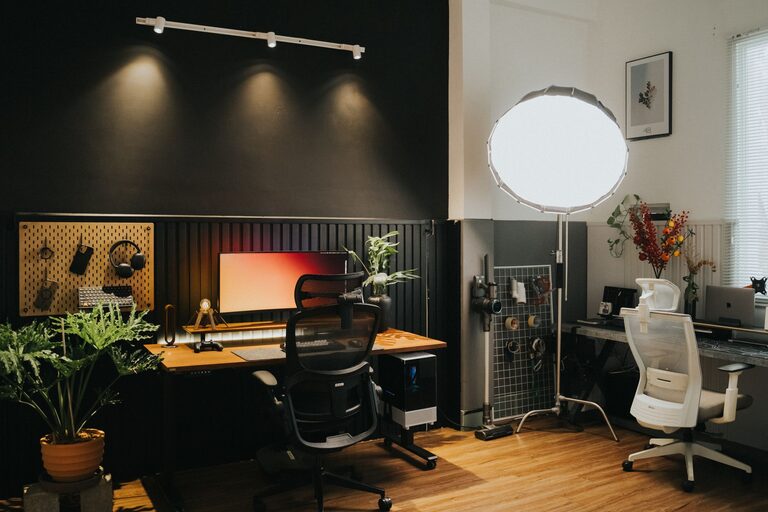
Creating a cozy and functional home workspace is essential for anyone working or studying from home. A well-designed area can boost your productivity, reduce stress, and make your day more enjoyable. Whether you have a dedicated room or a small corner, there are simple ways to make your workspace both inviting and practical. In this post, we’ll share tips to help you create a workspace that suits your needs and feels just right.
1. Choose the Right Location
The first step is deciding where to set up your workspace. Consider the following factors:
– Natural light: Try to place your desk near a window. Natural light can improve mood and reduce eye strain.
– Quiet area: Pick a spot that minimizes distractions and noise.
– Space: Make sure the area is large enough to fit your chair, desk, and any equipment you need comfortably.
If space is limited, a foldable desk or wall-mounted workspace can be a great solution.
2. Invest in Comfortable Seating
Your chair plays a vital role in how comfortable and productive you feel. When choosing a chair:
– Look for adjustable height and back support.
– Ensure it has cushioned seating to avoid discomfort during long hours.
– If possible, consider ergonomic chairs designed to support good posture.
Adding a small cushion or lumbar support pillow can also improve comfort.
3. Organize Your Desk Efficiently
A cluttered desk can be distracting and make it hard to focus. Use these tips to keep your workspace tidy:
– Use drawer organizers or small baskets for supplies.
– Keep only essential items on your desktop.
– Use cable organizers to manage cords and chargers neatly.
– Consider vertical storage solutions like shelves or pegboards to save desk space.
Regularly declutter to maintain a clean environment.
4. Personalize Your Space
A workspace that reflects your style can make you feel more comfortable and motivated. Add personal touches such as:
– Plants or small greenery to add life and improve air quality.
– Artwork or photos that inspire you.
– A cozy blanket or rug to add texture and warmth.
Just be cautious not to overcrowd your space with too many items, which can lead to distractions.
5. Optimize Lighting
Proper lighting is crucial for minimizing eye strain and maintaining focus. Consider these options:
– Use a combination of natural and artificial light.
– Position your desk lamp to reduce glare on screens.
– Choose bulbs with a color temperature that suits your work—cool white light helps you stay alert, while warm light is more relaxing.
Adjustable lighting options allow you to customize brightness throughout the day.
6. Incorporate Functional Storage Solutions
Storage is key for a neat workspace. Here are some ideas:
– Floating shelves to keep books and documents within reach.
– Filing cabinets or boxes to store important papers.
– Desk organizers for pens, notebooks, and accessories.
Choosing storage that matches your decor can also enhance the visual appeal of your space.
7. Maintain Good Air Quality and Ventilation
Fresh air helps you stay alert and comfortable. If your workspace lacks a window, try the following:
– Use an air purifier.
– Place indoor plants that improve air quality.
– Take breaks to step outside for fresh air when possible.
Good ventilation prevents stuffiness, contributing to overall well-being.
8. Set Up Technology Thoughtfully
Your computer and other devices are the core of your workspace, so arrange them ergonomically:
– Position your monitor at eye level to prevent neck strain.
– Use keyboard and mouse pads to support your wrists.
– Ensure fast and reliable internet access.
Cable management tools help keep wires organized and prevent tangling.
9. Establish a Routine and Boundaries
Finally, a cozy and functional workspace isn’t just about physical setup; it’s also about habits:
– Define your working hours to create balance.
– Take regular breaks to move and rest your eyes.
– Keep your workspace for work only, avoiding distractions like TV.
A routine can help your brain associate the space with focus and productivity.
—
By combining comfort, organization, and personal touches, you can create a home workspace that supports your best work. Start with small changes and adjust as you go, ensuring your workspace grows with your needs. Remember, the goal is to make your work environment a place where you want to spend time and feel productive. Happy decorating!