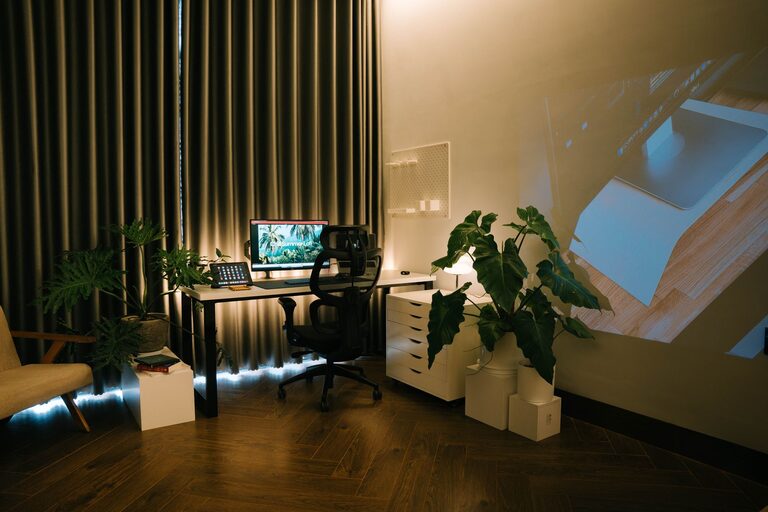







Creating an organized workspace is more than just about tidiness; it’s about setting the stage for greater productivity and creativity. When your environment is clutter-free and well-ordered, your mind can focus better, ideas flow more easily, and work becomes more enjoyable. Whether you work from home, in an office, or a shared space, these tips will help you optimize your workspace for success.
Why Workspace Organization Matters
A cluttered environment can lead to distractions and stress, making it harder to concentrate. On the other hand, an organized workspace can improve focus, reduce time spent searching for items, and create a positive atmosphere that encourages creative thinking. It’s a simple way to support your mental clarity and work efficiency.
Step 1: Clear the Clutter
Before organizing, it’s essential to remove unnecessary items.
– Sort through everything: Keep only what you regularly use or genuinely need.
– Use the “Four-Box Method”: Label boxes as Keep, Donate, Store, or Trash to make sorting easier.
– Clear off your desk: Aim for minimal items on your desktop to maintain focus.
Step 2: Designate Zones for Different Tasks
Dividing your workspace into zones can improve workflow.
– Work zone: Place essential tools, your computer, and frequently used materials here.
– Creative zone: Allocate space for brainstorming, sketching, or idea generation.
– Storage zone: Use drawers, shelves, or containers to keep supplies within reach but out of sight.
Step 3: Prioritize Ergonomics
Setting up a comfortable workspace promotes productivity and well-being.
– Choose an ergonomic chair with good lumbar support.
– Position your monitor at eye level to reduce neck strain.
– Use a keyboard and mouse that are comfortable to avoid repetitive stress.
– Ensure proper lighting to reduce eye fatigue; a mix of natural light and adjustable desk lamps works well.
Step 4: Use Smart Storage Solutions
Effective storage helps you maintain organization without clutter.
– Drawer organizers: Keep small items like pens, paper clips, and sticky notes tidy.
– Vertical storage: Use shelves or wall organizers to free up desk space.
– Clear containers: Transparent bins allow you to see contents at a glance.
– Label everything: This saves time and keeps everything in its place.
Step 5: Keep Digital and Paper Work Organized
Both digital files and physical documents need order.
– Go paperless whenever possible: Scan important documents and store them in organized folders on your computer or cloud.
– Use file holders or trays: Separate incoming, outgoing, and pending papers.
– Manage cables: Use cable clips or sleeves to keep cords neat and avoid tangling.
Step 6: Personalize Your Space Strategically
Adding personal touches can inspire creativity but keep it balanced.
– Add plants: Greenery can boost mood and air quality.
– Display inspiring quotes or artwork: Choose things that motivate you.
– Limit distractions: Avoid overly busy décor or items that might divert your attention.
Step 7: Regularly Maintain Your Workspace
Organization is an ongoing process.
– Daily reset: Spend 5-10 minutes at the end of each day tidying your desk.
– Weekly review: Reassess your supplies and clear accumulated clutter.
– Seasonal deep clean: Every few months, do a thorough cleaning and reorganizing.
Bonus Tips for Boosting Creativity Through Organization
– Keep a notebook or whiteboard handy for brainstorming.
– Change your environment occasionally — rearranging your desk or working in a different area can spark new ideas.
– Use color coding to organize files or notes, making it easier to locate specific information.
Conclusion
An organized workspace sets the foundation for improved productivity and creativity. By decluttering, designing functional zones, prioritizing comfort, and maintaining order, you create an environment that supports your best work. Small changes can make a big impact, so start with one tip today and watch your focus and inspiration grow.