






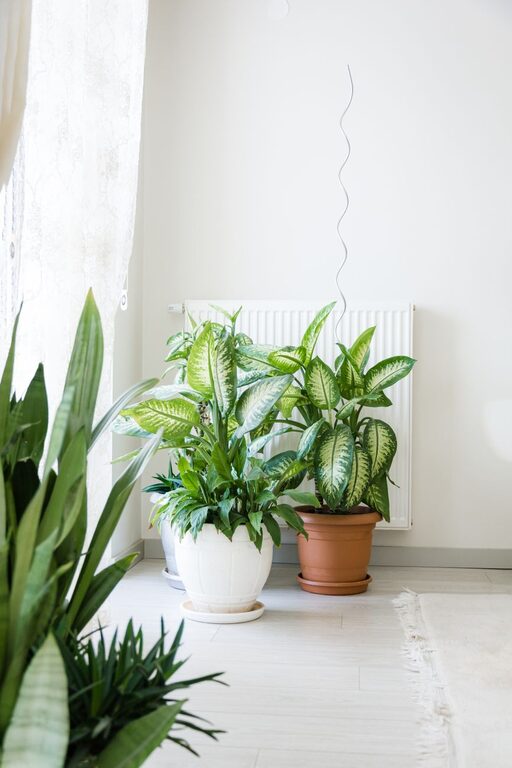
Indoor air quality plays a crucial role in our overall health and well-being. Many people spend most of their time indoors, making the cleanliness and freshness of indoor air an important consideration. Various factors, including pollution, allergens, and humidity, can impact the air we breathe inside our homes. Fortunately, there are practical steps anyone can take to improve indoor air quality. This guide offers helpful tips to create a healthier living environment.
Why Indoor Air Quality Matters
Indoor air quality refers to the condition of the air inside buildings, especially as it relates to the health and comfort of occupants. Poor indoor air can lead to headaches, allergies, respiratory issues, and fatigue. Children, the elderly, and people with asthma or allergies are particularly vulnerable. Improving air quality reduces exposure to pollutants such as dust, pet dander, mold spores, and chemical fumes.
Common Sources of Indoor Air Pollution
Before exploring solutions, it’s useful to understand some of the most common indoor air pollutants:
– Dust and dust mites: Accumulate on surfaces and in carpets.
– Pet dander: Skin flakes from pets that can trigger allergies.
– Mold and mildew: Grow in damp areas and release spores.
– Volatile Organic Compounds (VOCs): Emitted by paints, cleaning products, and furniture.
– Smoke and combustion gases: From tobacco, cooking, and fireplaces.
– Outdoor pollutants: Enter through windows and doors.
Knowing these sources helps target effective strategies.
Tips for Improving Indoor Air Quality
1. Increase Ventilation
One of the simplest ways to improve indoor air is to bring in fresh air from outside.
– Open windows and doors when weather permits.
– Use exhaust fans in kitchens and bathrooms to remove moisture and odors.
– Consider installing a whole-house ventilation system if your home is tightly sealed.
Good ventilation dilutes indoor pollutants and reduces moisture that fuels mold growth.
2. Control Humidity Levels
Maintaining proper humidity between 30-50% helps prevent mold growth and dust mites.
– Use dehumidifiers in damp areas like basements.
– Fix leaks and water damage promptly.
– Avoid over-watering houseplants.
– Use bathroom and kitchen fans during and after showers or cooking.
Humidity control is especially important in humid climates or seasons.
3. Keep Your Home Clean
Regular cleaning reduces dust and allergens.
– Vacuum carpets and rugs with a vacuum that has a HEPA filter.
– Dust surfaces with a damp cloth to trap dust instead of spreading it.
– Wash bedding, curtains, and stuffed toys frequently in hot water.
– Keep clutter to a minimum, as it collects dust.
Clean homes have fewer triggers for allergies and asthma.
4. Choose Non-Toxic Cleaning and Household Products
Many cleaners and air fresheners release VOCs.
– Opt for fragrance-free or natural cleaning products.
– Avoid aerosol sprays and harsh chemicals when possible.
– Read product labels to choose low-VOC options.
Using safer products reduces chemical pollutants indoors.
5. Maintain Heating and Cooling Systems
HVAC systems can spread dust and pollutants if not properly maintained.
– Change or clean air filters regularly, ideally monthly during periods of heavy use.
– Schedule regular professional inspections for your heating and cooling systems.
– Clean air ducts if there is evidence of mold or accumulated dust.
A well-maintained HVAC system improves air circulation and cleanliness.
6. Use Air Purifiers
Air purifiers can help remove airborne particles.
– Select an air purifier with a True HEPA filter for best results.
– Place purifiers in commonly used rooms like bedrooms and living areas.
– Ensure the unit is appropriately sized for the room.
While not a substitute for ventilation and cleaning, air purifiers add an extra layer of protection.
7. Reduce Indoor Smoke and Pollutants
Smoking indoors drastically reduces air quality.
– Make your home a smoke-free zone.
– Use kitchen exhaust fans to reduce cooking smoke.
– Limit the use of candles and incense, which can produce soot.
Minimizing indoor pollutants helps everyone breathe easier.
8. Introduce Indoor Plants Wisely
Certain houseplants can help filter air naturally.
– Plants like spider plants, snake plants, and peace lilies are known for air-purifying properties.
– Avoid overwatering to prevent mold in the soil.
– Keep plant leaves dust-free for maximum benefits.
Plants add beauty and can support air quality when cared for properly.
Final Thoughts
Improving indoor air quality is vital for a comfortable and healthy home. Small, consistent actions like increasing ventilation, controlling humidity, regular cleaning, and careful product choices can make a significant difference. Combining these strategies helps create an environment where you and your family can thrive.
Regular attention to indoor air quality not only supports physical health but also enhances mood, sleep, and overall quality of life. Start with one or two changes, and gradually adopt more for a fresher, healthier home.